Cleaner energy vs full renovation: What adds value without major works?
Not all energy improvements need to be transformative to be valuable. While deep retrofits and full electrification can deliver efficiency gains, they are not always the most sensible route for homeowners, particularly those preparing a property for sale or working within an existing home.
The challenge with full electrification
Fully electrifying an older Irish home often involves far more than swapping out a boiler. In practice, it can require:
- Extensive insulation upgrades to walls, floors and roofs
- Replacement of radiators or installation of underfloor heating
- Electrical capacity upgrades to support higher demand
- Months of disruption, cost and uncertainty
For homeowners who are living in the property, or planning to sell within a few years, this level of intervention can be difficult to justify. The investment may not align with timelines, budgets or appetite for upheaval.
The value of drop-in improvements
Buyers don’t expect every home to be future-proofed to the highest possible standard. What they respond to is evidence that the home has moved in the right direction.
Incremental improvements, such as switching to a cleaner fuel, like LPG or BioLPG, or upgrading an ageing heating system, signal:
- Ongoing care and maintenance
- Reduced immediate upgrade requirements
- A home that won’t need urgent attention after purchase
These changes often make a property easier to sell by removing friction, rather than trying to transform it completely.
Comfort still counts
Even the most energy-aware buyers prioritise how a home feels to live in. Warmth, responsiveness and familiarity matter. Homes that heat quickly, maintain steady temperatures and use systems buyers recognise often feel more reassuring than properties with unfamiliar or experimental setups.
Cleaner energy options that appeal to Irish buyers
When buyers assess a property’s energy setup, they are rarely ranking technologies. Instead, they are asking a simpler question: “Will this home be easy and affordable to live in?” Energy choices that combine lower emissions with familiarity and reliability tend to answer that question most convincingly.
Lower-carbon fuels with familiar performance
Clean-burning fuels, like LPG or BioLPG, that work with existing heating systems often strike the right balance for buyers, particularly in older or rural homes. They signal progress toward lower emissions without forcing buyers to confront unfamiliar technology or immediate system changes. From a buyer’s perspective, this feels reassuring: the home is moving in a cleaner direction, but daily living remains straightforward and predictable.
Modern, well-maintained heating systems
Buyers respond strongly to signs that a heating system has been looked after and updated where necessary. Recently installed or upgraded boilers, supported by a clear servicing history, suggest:
- Lower short-term maintenance risk
- Fewer unexpected costs after purchase
- A home that has been actively maintained
Even if the system isn’t the latest model, being current, reliable and well-documented can make a significant difference to how a property is perceived.
Predictable energy costs reduce buyer anxiety
Uncertainty is one of the biggest barriers to buyer confidence. Energy solutions that offer stable supply, clear usage patterns and fewer surprises help remove that anxiety.
In contrast, systems associated with volatile pricing or complex operations can raise concerns, particularly for buyers already stretching their budgets.
BioLPG as a sustainable option for rural and off-grid homes
For many rural and off-grid properties, BioLPG offers a particularly strong combination of benefits. It is cleaner than oil, delivers lower lifecycle emissions, and works with existing radiators and controls, meaning the heating experience remains familiar.
Crucially, it allows a property to demonstrate measurable progress toward lower-carbon living without experimental systems or major structural change. For cautious buyers, and for sellers who want to improve appeal without over-investing, this balance can be especially attractive.
BER ratings, perception & marketability
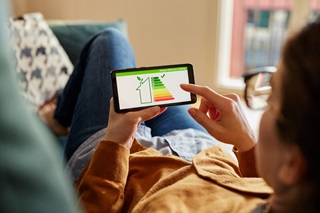
While BER ratings are not the sole factor buyers consider, they have become one of the first reference points in how homes are viewed, filtered and compared. In a market where buyers are trying to manage long-term costs as well as purchase price, BERs increasingly act as a shorthand for how a home is likely to perform day to day.
Energy choices influence confidence
A BER doesn’t just communicate efficiency, it influences confidence. Homes with cleaner, more modern energy systems tend to feel:
- Easier to run
- Less likely to require immediate upgrades
- Better aligned with future standards
Even where the numerical rating itself changes only modestly, improvements in heating systems and fuel choice can reinforce the sense that a home has been actively maintained rather than left behind.
During viewings, this often translates into fewer “what would we need to fix?” conversations and more focus on how the home would function once lived in.
Reducing objections during the sales process
Energy-related uncertainty is a common source of friction in negotiations. Buyers may raise concerns about:
- Future replacement costs
- Fuel availability or volatility
- Whether the heating system will meet expectations over time
Properties that present a clearer, cleaner energy setup tend to face fewer objections, which can help negotiations progress more smoothly and reduce pressure for price adjustments late in the process.
Supporting long-term value retention
As regulations evolve and expectations continue to shift, homes that have already begun moving away from higher-emission fuels may be better positioned to retain their appeal over time. This is particularly relevant in rural markets, where buyers often think carefully about future-proofing and energy independence.
Rather than chasing the highest possible BER, many sellers find that demonstrating direction of travel; cleaner, more efficient, and better aligned with where housing standards are heading, can be just as valuable in maintaining marketability.
Across all three scenarios, value is added not through dramatic transformation, but through confidence, clarity and reduced future effort. Homes that make energy choices easier to understand, and easier to live with, tend to stand out for the right reasons.
Frequently Asked Questions
Energy efficiency is more likely to influence how easily a home sells rather than guarantee a specific price increase. Homes with clearer, more efficient energy setups often attract broader interest, face fewer objections, and feel lower risk to buyers, all of which can support stronger offers and smoother negotiations.
Yes. Heating systems are now a common topic during viewings, particularly as buyers factor running costs into affordability. Questions often focus on the type of fuel used, expected winter performance, maintenance requirements and whether upgrades may be needed in the near future, especially in older or rural homes.
In many cases, it can be. While it may not dramatically change the asking price,
switching from oil to a cleaner alternative, like LPG or BioLPG, can reduce buyer hesitation, limit requests for price adjustments, and signal that the home has been actively modernised. For sellers, this can make the sales process feel more straightforward.
Cleaner energy choices can contribute positively to BER assessments, particularly when combined with modern heating systems. Just as importantly, they influence how buyers interpret a BER rating, reinforcing the sense that a home is efficient, well maintained and aligned with future expectations.



 }
}
 }
}
 }
}
 }
}
 }
}
 }
}
 }
}
 }
}