Rain or Shine: Why Gas Beats Charcoal for Ireland's Unpredictable Summer
18/09/2026 •
10 min
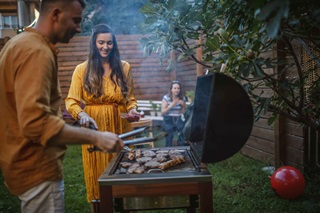
For Ireland's changeable summer weather, a gas BBQ can be more practical than charcoal because it's quick to light, easy to control and ready to cook on without waiting for coals to heat up. If rain interrupts your plans, you can also turn the BBQ off and get cooking again once the weather clears.
A sunny morning in Ireland doesn't always mean a sunny afternoon. You can have the BBQ planned, food in the fridge and everyone coming over at five, only for the forecast to change before you've even set the table outside.
When the good weather does arrive, you often want to make the most of it while it lasts. That's where the gas vs charcoal BBQ debate becomes about more than flavour. How quickly you can start cooking, how easily you can control the heat and what happens if the weather changes halfway through all matter too.
For many Irish households, those practical considerations give gas an advantage. That doesn't mean charcoal doesn't have its place, so let's look at where each option works best and what to consider when choosing a BBQ for the Irish summer.
Key takeaways:
Gas BBQs are quick to light, so there's less waiting around when you get a good spell of weather.
Adjustable burners give you greater control over cooking temperature without having to manage hot coals.
If a shower interrupts your BBQ, you can turn the gas off and start cooking again once conditions are suitable.
Gas produces no charcoal ash or spent coals, making clean-up simpler once you're finished.
Prefer the flavour and experience of charcoal? Hybrid BBQs can offer elements of both cooking styles.
Choosing the right Calor gas cylinder for your BBQ helps make sure you're set for the summer ahead.
Gas or charcoal: which is better for an Irish summer?
If speed, temperature control and flexibility are your priorities, gas has some clear advantages in changeable Irish weather. Charcoal takes longer to prepare and requires more hands-on heat management, but its distinctive flavour and traditional cooking experience may make that worthwhile for some BBQ fans.
Here's how the two compare:
Gas BBQ
Charcoal BBQ
Getting started
Quick to light and heat up
Requires time to light and bring the coals to cooking temperature
Temperature control
Heat can be adjusted using the burner controls
Temperature is managed by adjusting coals and airflow
Changing weather
Easy to turn off and restart if cooking is interrupted
Interruptions can be harder to manage once the coals are lit
Clean-up
No charcoal ash or spent coals to dispose of
Ash and cooled coals need to be cleaned out and disposed of safely
Flavour
Consistent cooking, with ways to add smoky flavour if you want it
Distinctive charcoal-grilled flavour
Usability away from home
May be permitted at some locations where charcoal isn’t, but always check local rules & regulations.
Some parks, campsites and public spaces restrict charcoal BBQs
Why changeable Irish weather gives gas an advantage
You can't control the weather, but you can choose a BBQ that makes it easier to work around it. On a typical Irish summer day, that might mean getting dinner on during a short spell of sunshine, dealing with a breeze while you cook or stopping halfway through when a shower rolls in. Gas gives you more flexibility in each of those situations.
Why do short dry spells favour gas over charcoal?
When a dry spell appears, a gas BBQ lets you make the most of it. It's quick to light and doesn't require you to wait for charcoal to catch and the coals to become ready for cooking.
That can be particularly handy for spontaneous BBQs, weeknight dinners outside or those evenings when you've spotted a gap in the forecast and decided to make the most of it. Even if you're only cooking a couple of burgers or some vegetables, you can get started without having to light and manage a full bed of charcoal first.
Why can charcoal be harder to manage in windy weather?
Wind brings a different challenge. With charcoal, temperature is controlled by managing the coals and airflow, so changing wind conditions can make maintaining an even cooking temperature more hands-on.
Gas gives you direct control over the burners, allowing you to adjust the heat as you're cooking. That doesn't make a gas BBQ suitable for all weather conditions. Any BBQ should be positioned and used safely and according to the manufacturer's instructions, particularly when it's windy.
What happens if rain interrupts your BBQ?
Then there's the most familiar Irish BBQ interruption: rain. If conditions mean you need to stop cooking, a gas BBQ can simply be switched off. Once the shower passes and conditions are suitable again, you can relight it and bring it back up to temperature.
With charcoal, stopping halfway through isn't quite as straightforward. Once the coals are lit, you can't simply switch them off and restart them when the sun comes back out.
That ability to stop and start doesn't sound like a major feature until you're halfway through cooking dinner and the weather changes. In an Irish summer, it can make a gas BBQ much easier to fit around the forecast.
The benefits of BBQ cooking with gas
Weather flexibility is a big part of the appeal, but it's not the only reason many people choose gas. Once the food goes on, gas gives you more direct control over how you're cooking it and leaves you with less fuel-related clean-up afterwards.
More control when you're cooking different foods
A BBQ rarely has just one thing cooking on it. You might have burgers on one side, vegetables or halloumi on another and something that needs longer over a gentler heat.
On a gas BBQ with multiple burners, you can adjust different areas of the grill and move food between hotter and cooler zones as it cooks. So, you could have burgers cooking over higher heat while vegetables or other foods cook more gently alongside them. It's also useful when you're feeding a group and everything doesn't need to go on, or come off, at exactly the same time.
You can also adjust the heat as you go rather than having to manage the coals and airflow to change the cooking temperature. The exact controls and cooking methods will depend on your BBQ, so always follow the manufacturer's instructions.
Less to clean up afterwards
Charcoal leaves behind ash and spent coals, which need to be completely cool before they can be disposed of safely. With gas, there's no charcoal ash to clear away once you've finished cooking.
You'll still need to clean the grill and any grease or food residue, but removing ash from the job makes packing up that little bit quicker.
More flexibility for BBQs away from home
If you're taking your BBQ to a campsite, caravan park or designated public BBQ area, it's important to check the rules before you light anything.
Some locations restrict charcoal or other solid-fuel BBQs because of the ash, embers and fire risk involved, while gas BBQs may be permitted. Rules vary from one location to another and can change depending on conditions, so don't assume that either type is automatically allowed.
If you're planning a day out, our guide to the best places to BBQ around Ireland is a useful starting point. Always check the latest rules for the specific park, beach or campsite before you travel.
But what about that charcoal flavour?
For many people, charcoal's smoky flavour is one of its biggest selling points. But choosing a gas BBQ doesn't mean flavour has to be the trade-off.
Depending on your BBQ, a smoker box with suitable wood chips can be used to add smoke while you cook, giving you more of that BBQ flavour without giving up the temperature control of gas.
Always check the manufacturer's instructions before using any smoking accessories with your BBQ.
If you regularly switch between quick midweek cooking and slower weekend BBQs, a hybrid model is another option. These combine gas and charcoal cooking, so you can use gas when speed and convenience matter or charcoal when you have more time and want that traditional cooking experience.
Choosing the right gas cylinder for summer grilling
Once you've decided on a gas BBQ, the next question is usually: which gas bottle do I need? The right choice depends on the size of your BBQ and how you use it, whether that's the occasional dinner for two or regularly cooking for family and friends.
6kg or 11kg patio gas: which do you need?
As a general guide, Calor recommends its 6kg patio gas cylinder for small to medium BBQs with up to three burners. Its more compact size can also make it a practical choice if you're limited on space or want a cylinder that's easier to handle.
For larger BBQs with four or more burners, or households that cook outdoors frequently, Calor's 11kg patio gas cylinder may be the more suitable option. The additional capacity means you have more gas available for larger or more frequent cooks.
These are useful starting points rather than a substitute for your BBQ's own requirements. Always check the manufacturer's instructions for the correct gas type, regulator and cylinder size before connecting a bottle.
Calor's 6kg and 11kg patio gas cylinders contain a blend of at least 20% BioLPG, so you don't need to buy a separate cylinder to include renewable gas in your summer cooking.
BioLPG is produced from sustainably sourced waste materials and renewable vegetable oils and works in the same way as conventional LPG. That means you can continue using a suitable LPG BBQ in exactly the same way.
And when dinner's finished, the same patio gas cylinders can be used with suitable outdoor gas appliances, including patio heaters, helping you stay outside a little longer when the evening starts to cool down.
Taking your gas BBQ on the road
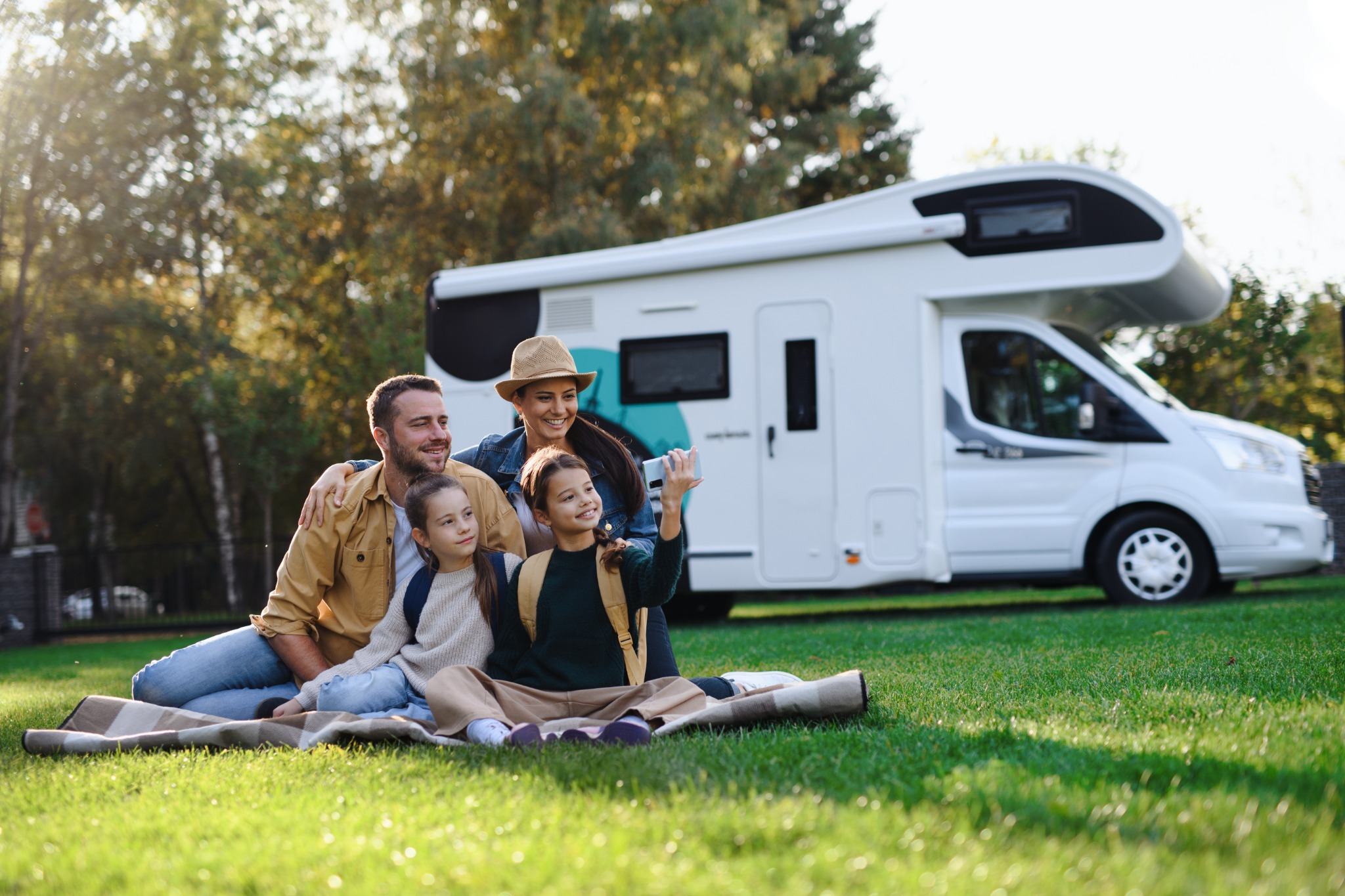
BBQs aren't just for the back garden. Summer weekends can mean packing up the campervan, heading to a campsite or spending a few days at the caravan, and a portable gas BBQ can make outdoor cooking much easier when you're away from home.
Unlike charcoal, there's no bag of fuel to keep dry or ash and spent coals to deal with afterwards. If you're travelling with an LPG cylinder, however, it needs to be transported and stored correctly.
Camping or caravanning with a gas BBQ?
Before setting off, check that your BBQ is suitable for portable use and that you're using the correct cylinder and regulator recommended by the manufacturer.
When travelling, always turn the gas off at the cylinder and keep the cylinder upright and securely restrained so it can't move or tip over. Make sure there is suitable ventilation during transport and never leave a gas cylinder unattended in a parked vehicle.
Once you arrive, keep the cylinder upright in a well-ventilated location, away from heat and ignition sources, and follow the manufacturer's instructions when connecting and using your BBQ.
It's also worth checking your campsite or caravan park's BBQ rules before you travel. Some sites may specify where BBQs can be used or restrict their use during particularly dry or high-risk conditions.
For the journey itself, our gas cylinder safety tips cover how to transport, store and use LPG cylinders correctly.
Frequently asked questions
For Ireland's changeable weather, gas can be a more practical choice because it's quick to light, easy to control and can be turned off if rain interrupts your plans. Charcoal takes more preparation and clean-up but remains popular with people who enjoy its distinctive flavour and traditional cooking experience.
It depends on the location. Some parks and public spaces allow BBQs only in designated areas or restrict certain types of BBQ, while others don't permit them at all. Rules can also change during periods of increased fire risk, so always check the latest guidance for the specific location before bringing a BBQ.
There's no single number that applies to every BBQ. How long a 6kg cylinder lasts depends on factors such as your BBQ's gas consumption, the number of burners you're using, the heat setting and how long you cook for. Check your appliance specifications to understand its expected gas consumption.
Yes. Depending on the BBQ, accessories such as smoker boxes and wood chips can add smoky flavour while allowing you to keep the convenience and temperature control of gas. Hybrid BBQs are another option, combining gas and charcoal cooking for people who want the flexibility to switch between the two.
Running costs depend on fuel prices, the BBQ itself and how you cook, so gas won't automatically be cheaper in every situation. The amount of fuel you use will depend on factors such as the size and efficiency of your BBQ, how many burners you use, your heat settings and how long you cook for.
We recommend a 6kg patio gas cylinder for small to medium BBQs with up to three burners and an 11kg cylinder for larger BBQs with four or more burners or frequent use. Always check your BBQ manufacturer's instructions for the correct gas type, regulator and cylinder requirements before connecting a bottle.
Calor BBQ and patio gas cylinders are available through local retailers across Northern Ireland. You can use the Calor retailer map to find your nearest stockist. Calor Direct also offers home delivery in selected areas, including Belfast, Lisburn, Derry/Londonderry and Omagh. If you live within one of these areas, you can arrange to have your gas cylinder delivered directly to your home.
Get set for BBQ season
Irish summer weather might keep you guessing, but a gas BBQ makes it easier to take advantage of the good spells when they arrive. Quick start-up, adjustable heat and less fuel-related clean-up mean you can spend more of that time cooking and eating outside rather than getting the BBQ ready.





 }
}
 }
}
 }
}
 }
}
 }
}
 }
}
 }
}